
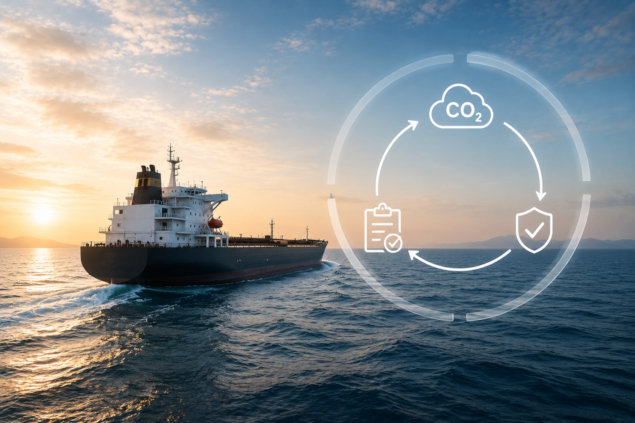
Emission reporting used to feel like an administrative duty placed at the edge of maritime operations. A vessel sailed, fuel was measured, forms were completed, and the compliance file moved forward. That world has changed. Today, emissions data sits at the center of commercial shipping. It affects regulatory exposure, voyage economics, charter party discussions, technical management, fuel strategy and the long term reputation of the company operating the vessel.
In modern maritime operations, emission reporting is no longer only about submitting numbers. It is about proving that the numbers are complete, traceable, consistent and aligned with the rules that now shape international shipping. Fuel consumption, distance sailed, cargo carried, port calls, voyage legs, greenhouse gas factors and verification workflows all need to form one coherent record. When that record is weak, compliance becomes fragile. When it is strong, shipowners and managers can make decisions with confidence.
Interoutes already places emissions at the heart of its operational services. Its weather routing approach links optimized voyage planning with minimum bunker consumption, cost reduction and emissions reduction, while its performance evaluation service combines an extensive weather databank with emissions analysis tools and long standing performance expertise. That foundation matters because reporting cannot be separated from the voyage itself. The best emissions report is not produced only after the fuel has been burned. It begins with the quality of the operational data collected during the voyage.
The regulatory pressure is now clear. The IMO’s CII framework made ships calculate annual operational carbon intensity and receive an associated rating, linking greenhouse gas emissions to transport work over distance sailed. In Europe, the MRV Maritime framework requires covered ships to monitor and report emissions, and since 1 January 2024 it covers carbon dioxide, methane and nitrous oxide. The EU ETS has also brought shipping into a carbon pricing environment, with companies surrendering allowances for a rising share of verified emissions. FuelEU Maritime added another layer from 1 January 2025 by focusing on the greenhouse gas intensity of energy used on ships operating in the EU and EEA.
For shipping companies, this means compliance is no longer a single annual event. It is a continuous discipline. Every voyage creates emissions evidence. Every noon report, bunker entry, port stay, fuel switch, speed instruction and route decision can influence the final compliance position. A missed value, an inconsistent report or a poorly reconciled fuel figure can create work later, especially when the data must be verified by external parties or used across more than one regulatory framework.
Emission reporting and compliance should therefore be treated as a bridge between ship and shore. The vessel provides the operational truth. The office validates, organizes and interprets it. The compliance team prepares it for verification. The management team uses it to understand exposure, cost and performance. When these steps are connected, reporting becomes more than a regulatory obligation. It becomes a tool for better fleet control.
The real challenge is not only knowing what must be reported. It is knowing whether the company can trust the data before the deadline arrives. Compliance readiness depends on data discipline. A serious reporting process checks fuel consumption against voyage activity, aligns port calls with regulatory scope, distinguishes emissions inside and outside relevant zones, supports CII review, prepares MRV records and helps companies understand EU ETS and FuelEU exposure before it becomes a financial surprise.
For Interoutes, Emission Reporting and Compliance can sit naturally beside weather routing, performance monitoring and post voyage analysis. The same voyage data that explains speed and consumption can also explain emissions. The same weather and performance context that supports a claim can also support a fair view of carbon intensity. The same operational expertise that helps a vessel save bunkers can help a company reduce avoidable emissions and document the result.
A modern emissions service must do more than calculate carbon. It must help shipping companies understand the story behind the calculation. It must show where emissions were generated, why fuel was consumed, how the voyage performed and what the company can do next. The future of maritime compliance belongs to operators who can explain their emissions, not only report them.